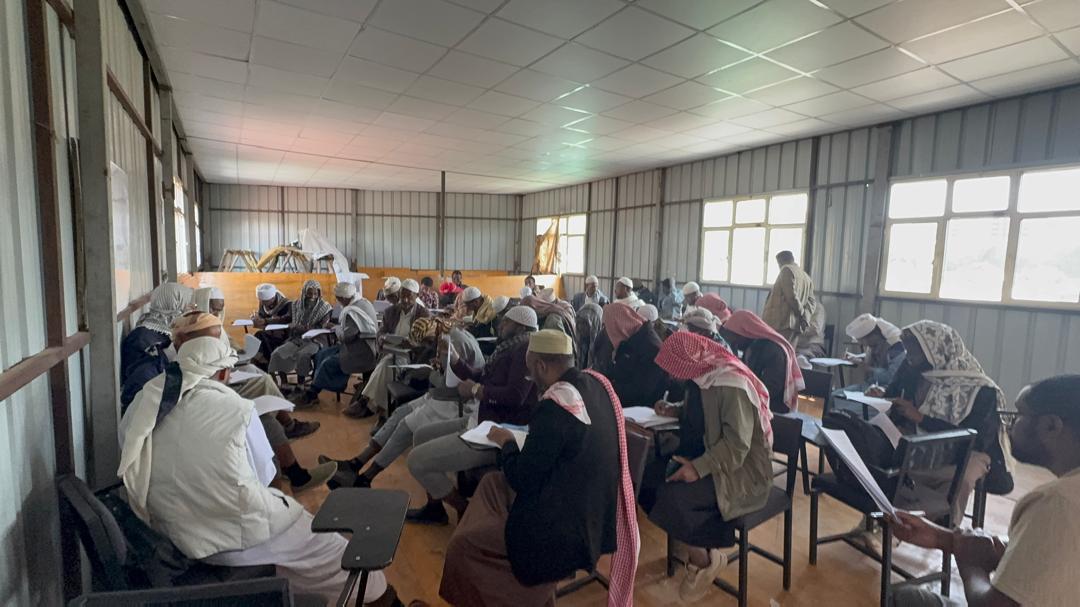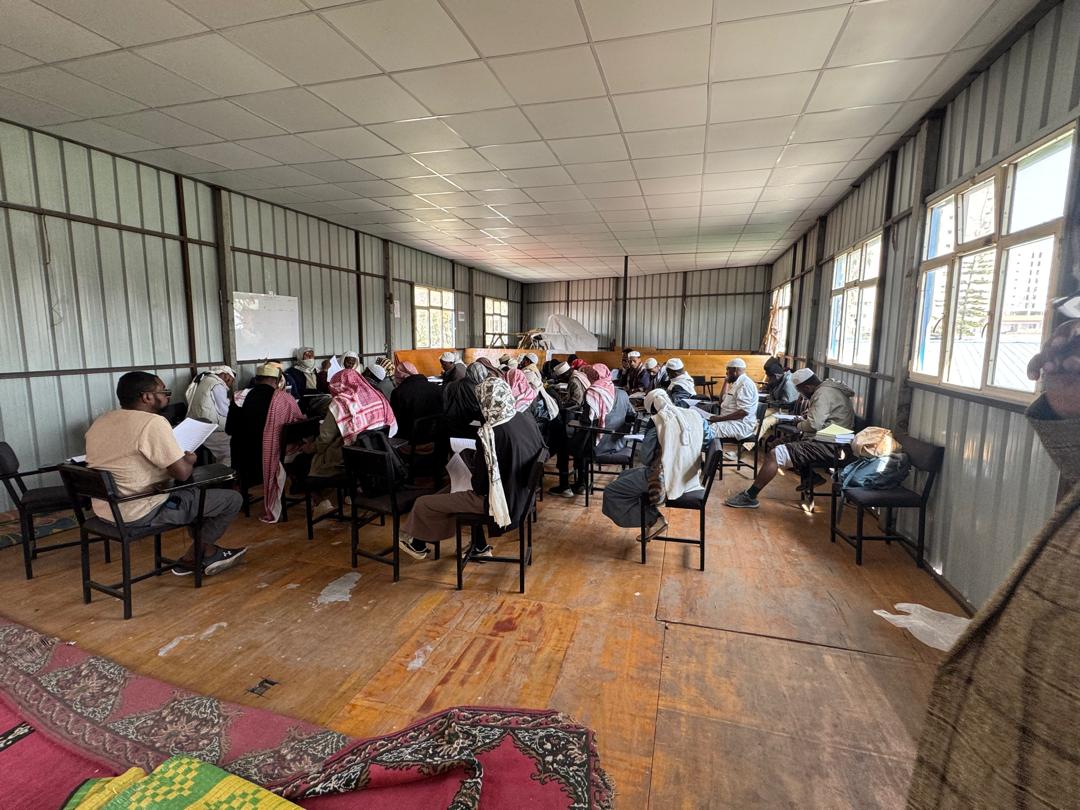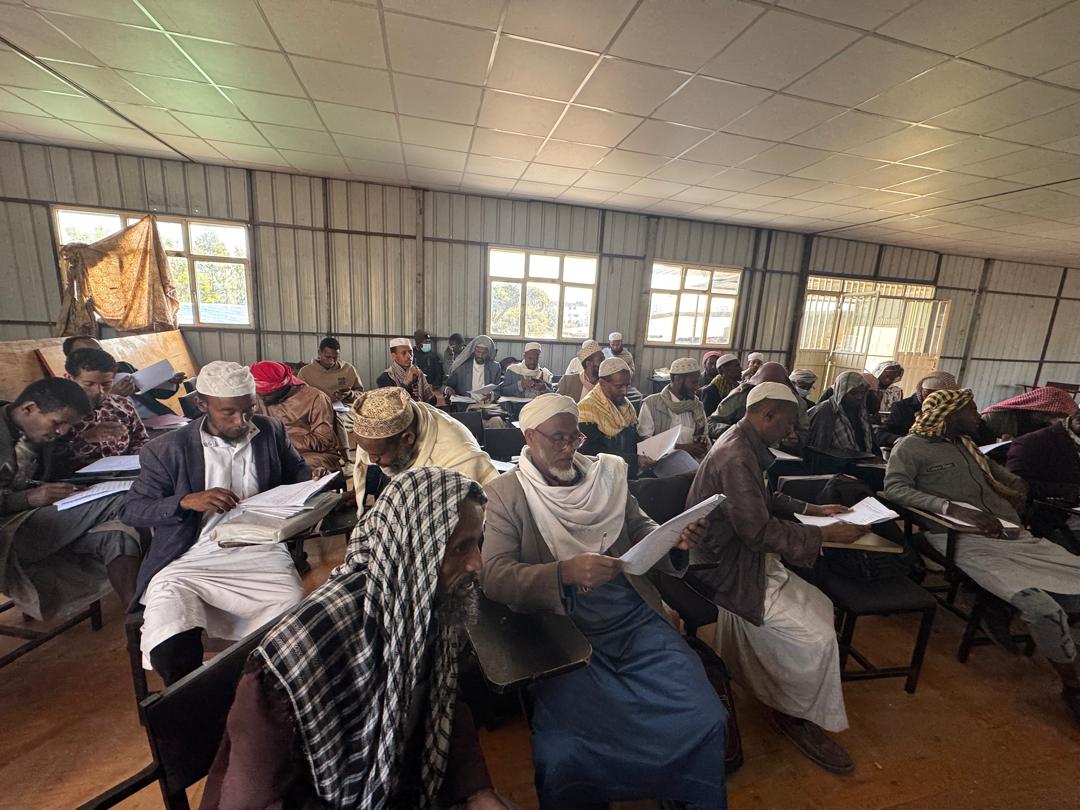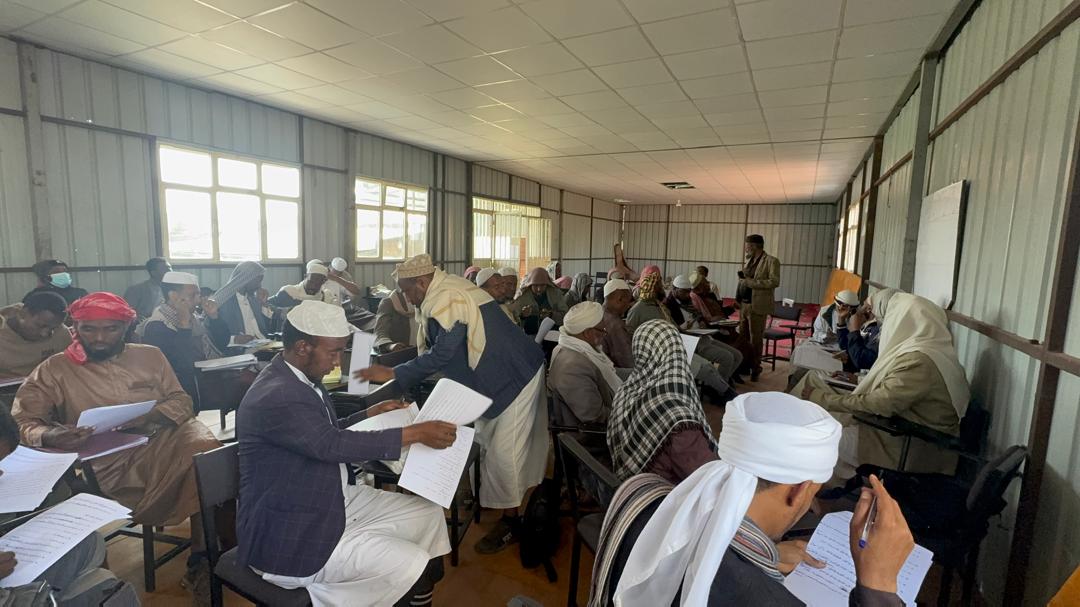
Islamic
Civilization
Research Program
Islamic Civilization Research
Overview
The Islamic Civilization Research program introduces students to the rich historical and intellectual heritage of the Muslim world. Throughout history, Islamic civilization has made significant contributions to fields such as education, science, philosophy, governance, architecture, and culture. This course helps students understand these achievements and their lasting impact on the world.
Students study major historical periods, influential scholars, and the development of Islamic institutions of learning. The course also highlights the spread of Islam across different regions and cultures, showing how Islamic knowledge and values interacted with diverse societies.
Particular attention is given to the history of Islam in Africa and the Horn of Africa, including the early relationship between Islam and Ethiopia. This helps students connect global Islamic history with their local heritage and appreciate the role of Islamic scholarship within the region.
The program also introduces students to basic research methods, encouraging them to investigate historical topics, analyze written sources, and present their findings in a structured way. By engaging in research projects and discussions, students develop critical thinking skills and a deeper appreciation of Islamic civilization.
What Students Will Learn
- History: Key historical periods in Islamic civilization
- Contributions: Muslim scholars' impact on knowledge and society
- Spread of Islam: Across Africa and the Horn of Africa
- Ethiopian Heritage: Historical connections between Islam and Ethiopia
- Research: Methods for studying Islamic history
- Analysis: How to analyze historical sources and present findings